Huntsman Advanced Materials
Turning tech specs into customer-centric content and hundreds of leads

Designit, a global strategic design agency, was preparing to implement a new Enterprise Resource Planning system, Workday. With more than 500 employees spread across 16 offices, it was crucial that all of Designit’s employees adopted and used the new system.
While the system met business needs, the front-end experience was confusing and frankly unappealing. “Advanced users”, including HR, finance and operations teams, were excited for the new functionality but would need in-depth support. Employees would need brief, clear instructions and motivation to get onboard. To meet these challenges, I drove a user-centred approach to the in-system UX copy and accompanying training materials.
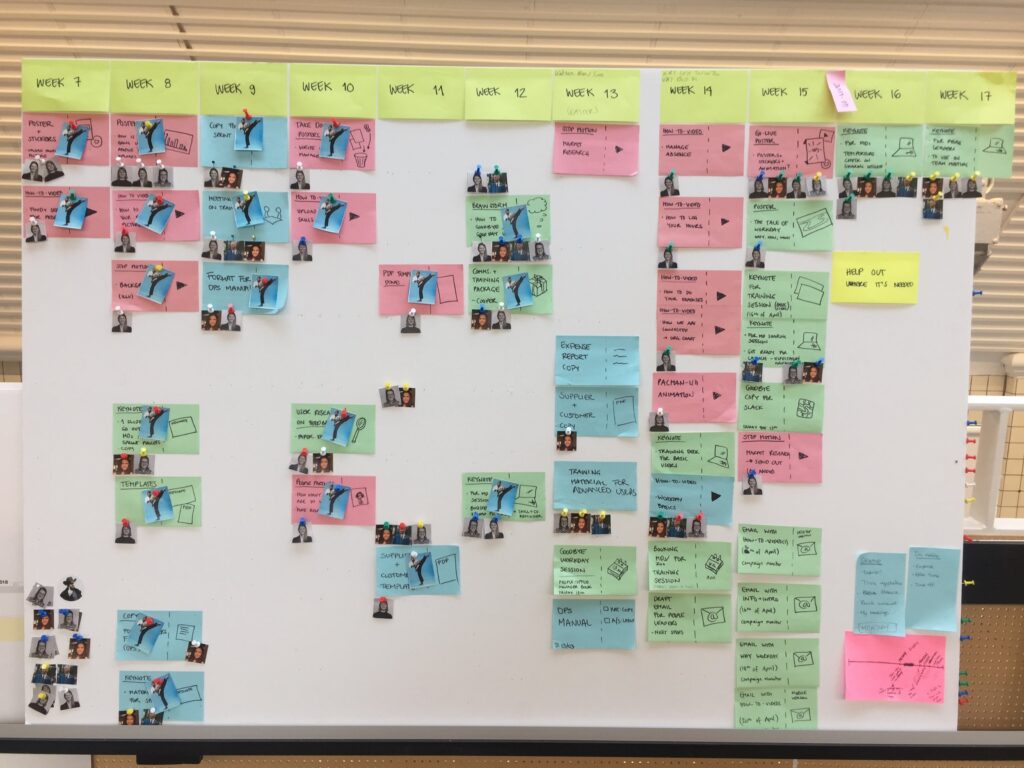
I worked in a multidisciplinary team of researchers, designers, developers and subject matter experts in agile sprints to write, test, iterate and implement multiple parts of the system at the same time. This included creating static paper prototypes, allowing me to test UX copy with employees early in the sprint and make changes between test sessions.
I could see that Designit’s typically playful tone would be inappropriate for often frustrating tasks like submitting expenses. It would also contrast starkly with other parts of the system’s hard-coded copy. I found a middle ground, using Designit’s voice in a more serious tone—but more “human” than the default copy. I replaced jargon with plain language, swapped in internal terminology (“People team” vs “HR department”) and established a tone that was conversational but clear. Brief but not brusque. And empathetic to what the user might be feeling.
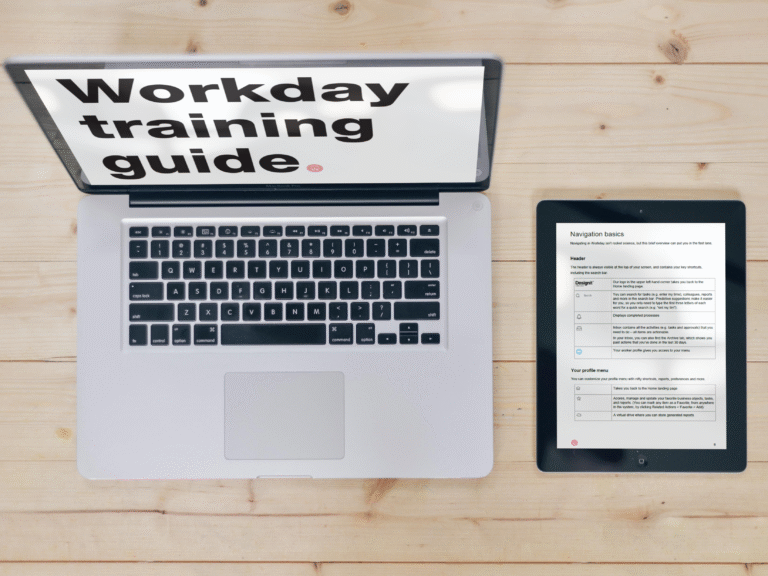
I was also responsible for designing and writing training content. I created in-depth training manuals for our advanced users and their more complicated processes, such as creating customer contracts. I used precise, technical terminology in a conversational tone, like a colleague walking you through, and added “scavenger hunts” to gamify training, reinforcing lessons with practice tasks. Meanwhile, employees needed training on day-to-day tasks, like reporting hours, and motivation to adopt a new tool. For these users, I created quick-start infographics, FAQs and video walk-throughs to deliver bite-size lessons. I used casual language, and even some humour, reflecting our company culture and voice. As before, I tested and iterated on these training materials in an agile process.
Ultimately, we got all 500+ employees onboarded to a tight deadline and received positive feedback from employees, advanced users, and leadership.